When it comes to exploring the vibrant and expansive universe of manga, there's a digital backbone that often goes unnoticed—the manga url. This seemingly simple link is a gateway to countless stories, art styles, and cultures, connecting fans and creators across the globe. Whether you're hunting for the latest chapters or studying manga trends, understanding the manga url is essential for effective navigation and engagement in the digital manga landscape.
Exploring the World of Manga Through URLs: A Comprehensive Guide
The manga universe isno longer confined to printed pages but has radiated into the digital cosmos, with URLs serving as virtual portals that unlock access to manga content worldwide. These URLs are more than just web addresses; they encapsulate information about the source, content type, and sometimes even the licensing status. By analyzing different manga URLs, we can get insights into the distribution channels, the credibility of sources, and the user experience offered by various platforms.
Understanding how manga URLs are structured can significantly enhance how fans, researchers, or even industry insiders navigate through online manga resources. Recognizing patterns in URL patterns—such as domain names, subdirectories, or specific parameters—helps in identifying official sources versus unofficial or potentially illegal sites. This knowledge is crucial for ensuring a safe and legal manga reading experience, fostering respect for intellectual property, and supporting creators worldwide.
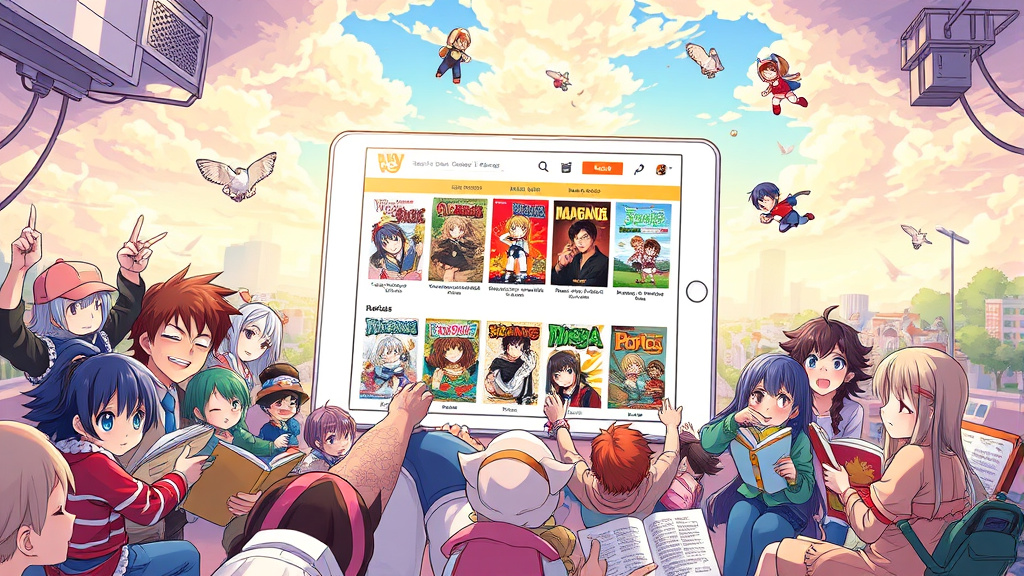
 Hình minh họa: places to read manga – manga url
Decoding Manga URLs: Structure, Information, and Navigation
Manga URLs tend to follow a logical architecture designed to facilitate smooth access and better organization. Typically, a manga URL will contain elements such as the domain name, paths defining categories or series, and parameters that specify chapters, chapters identifiers, or user preferences. For example, an official manga platform might have URLs like https://officialmanga.com/series/one-piece/chapter/1000, which clearly indicates the series and chapter being accessed.
By decoding these components, users can more effectively anticipate the kind of content they will find and improve navigation. For instance, understanding the URL structure of an official source allows users to quickly locate specific chapters or series without wasting time on irrelevant or low-quality sources. Moreover, this structure aids developers in creating automated tools or scripts for downloading, archiving, or monitoring manga content—an invaluable resource for researchers and enthusiasts alike.

Best Practices for Sharing and Using Manga URLs Effectively
Sharing manga URLs responsibly ensures that content creators are supported and that users experience minimal issues related to safety, legality, or quality. When disseminating manga links, it’s important to verify whether the URL points to an official and licensed platform, especially since unofficial sources might host pirated or low-quality scans. Sharing secure, reputable URLs also minimizes security risks like malware or phishing attacks.
For personal use, bookmarking and organizing manga URLs within browser folders or using dedicated reading apps can streamline your manga exploration, making it easier to access your favorite series. Additionally, when sharing URLs within communities or social media, providing context or recommendations about the source can enhance trust and promote ethical consumption. These practices foster a healthier manga ecosystem where creators’ rights are respected, and fans enjoy high-quality content securely.
The Evolution of Manga URLs: From Fan Translations to Official Distribution
Initially, manga was primarily accessed through fan translations, often hosted on unofficial websites with quirky or complex URLs that reflected the unofficial nature of the content. These URLs were often unstable, unreliable, and sometimes legally questionable, which posed risks to both creators and fans. However, over time, the industry shifted towards official digital distribution channels, leading to more streamlined and standardized URLs that reflect the professionalism and legitimacy of the content.
Today, the evolution of manga URLs mirrors the global acceptance and commercialization of digital manga. Official platforms utilize clear, consistent URLs that facilitate user navigation and search engine optimization, making manga more accessible than ever. Fan translation sites, on the other hand, often still use quirky or inconsistent URLs, highlighting the importance of supporting legitimate sources for sustainable manga growth. This evolution not only improves user experience but also contributes to the recognition and valuation of manga as a legitimate art form.
Copyright and Legal Considerations When Dealing with Manga URLs
Manga URLs are intertwined with issues of copyright and intellectual property law, especially in an era where digital content proliferation is rapid and widespread. Using or sharing links to unauthorized or pirated manga sites can result in legal consequences and moral conflicts, as creators rely on revenue from official releases. Recognizing the difference between legitimate URLs—those originating from licensed publishers or official distributors—and infringing sites is crucial for responsible consumption.
Legitimate manga URLs often include domain names associated with authorized publishers, such as VIZ or Kodansha, and typically employ HTTPS for security and trustworthiness. By choosing official sources, readers support the livelihoods of manga creators and ensure they receive proper royalties. Awareness of copyright laws and the risks associated with illegal links helps cultivate a respectful, sustainable manga community where artists and publishers are valued and protected.
Analyzing Manga URL Data: Trends, Popularity, and User Behavior
The vast amount of data embedded within manga URLs offers valuable insights into how content is consumed and distributed. Analyzing access patterns, popular series, or preferred platforms via URL data can reveal author and genre trends, regional preferences, and evolving reading habits. For instance, increased traffic to URLs hosting specific genres such as isekai or shonen can indicate shifting audience interests, guiding publishers or creators to cater to these tastes.
Modern data analysis tools enable researchers and marketers to track these patterns more precisely, informing strategic decisions and content recommendations. User behavior analysis from URL logs can also demonstrate peak times for manga consumption, device preferences, or the impact of regional licensing agreements. Harnessing this data responsibly can accelerate the growth of the manga industry and enrich the experience for fans by tailoring content more effectively.
Manga URLs and SEO: Optimizing Content for Search Engines
Search Engine Optimization (SEO) plays a critical role in how manga-related content ranks and appears in search results. Structuring manga URLs thoughtfully—using clear keywords related to the series, chapters, or genres—enhances visibility and indexing by search engines. For creators and publishers, optimizing URLs can drive organic traffic, foster discoverability, and increase readership.
From an individual perspective, understanding how manga URLs are optimized allows fans to find content more efficiently. Incorporating relevant keywords such as the manga title, chapter number, or related tags within URLs can dramatically improve the chances of content appearing in search results. Ultimately, SEO best practices centered on well-structured *manga url*s empower both creators and fans to connect more rapidly and effectively within the digital manga ecosystem.
Protecting Yourself from Malicious Manga URLs: Security Tips
While the digital age offers numerous opportunities to explore manga, it also presents security risks associated with malicious URLs. Fake or compromised manga URLs can host malware, phishing schemes, or intrusive ads that jeopardize user safety and privacy. Vigilance and cautious behavior are paramount when clicking on unfamiliar links, especially from untrusted sources.
Implementing best practices such as verifying the domain legitimacy, avoiding suspicious or shortened URLs, and using security tools like browser extensions or antivirus software can significantly reduce risk. Additionally, favoring official or well-known manga platforms ensures a secure reading environment and supports creators, fostering a healthier online manga community. Staying alert and informed about common online threats related to manga URLs is essential for a safe browsing experience.
Automating Manga URL Management: Tools and Techniques
Managing large volumes of manga URLs, especially for enthusiasts, researchers, or digital library curators, can be overwhelming without automation. Various tools and techniques—such as web scrapers, URL filters, and management platforms—enable users to organize, archive, and analyze manga URLs efficiently. These tools help streamline updates, monitor content changes, and ensure content legality.
Advanced techniques include developing custom scripts to batch download manga chapters, categorize URLs by popularity or region, or even generate SEO-optimized links for promotional purposes. Incorporating automation not only saves time but also improves data accuracy and management consistency. As the manga industry continues to digitize, leveraging these technologies becomes increasingly vital for maintaining organized, accessible, and secure manga collections.
The Future of Manga Distribution: The Role of URLs and Digital Platforms
Looking ahead, the role of *manga url*s will only grow in significance as the industry shifts further into digital and mobile domains. Innovative platforms like app-based manga stores or blockchain-based distribution systems are reimagining how manga is accessed and owned, with URLs serving as core identifiers of digital content. The rise of personalized content feeds, AI-curated manga selections, and interactive manga experiences will likely be mediated through smarter, more dynamic URL systems.
As manga distribution becomes more global and diverse, the importance of reliable, user-friendly URLs will be paramount in connecting creators with fans. These URLs will serve as the foundation for immersive digital narratives, virtual manga communities, and even new forms of manga ownership. Embracing technological advancements in URL management and digital distribution promises an exciting future, where manga can be enjoyed anywhere, anytime, seamlessly bridging cultures and borders.
Conclusion
The manga url is more than just an address; it is the digital gateway connecting fans to the rich, diverse world of manga. From understanding its structure and navigating official platforms to analyzing data trends and ensuring security, mastering the nuances of manga URLs enhances both user experience and industry sustainability. As the manga industry evolves with innovative digital platforms and distribution methods, the role of URLs will become increasingly vital in shaping how manga reaches and resonates with audiences worldwide, fostering a vibrant, engaged community that supports creators now and into the future.